
The Lost Art of Romance
Romance was never really about grand gestures. It lives in attention, in noticing, and in the small, deliberate kindnesses we've grown too busy to offer.
By Dear Cupid Editorial · · 2 min read
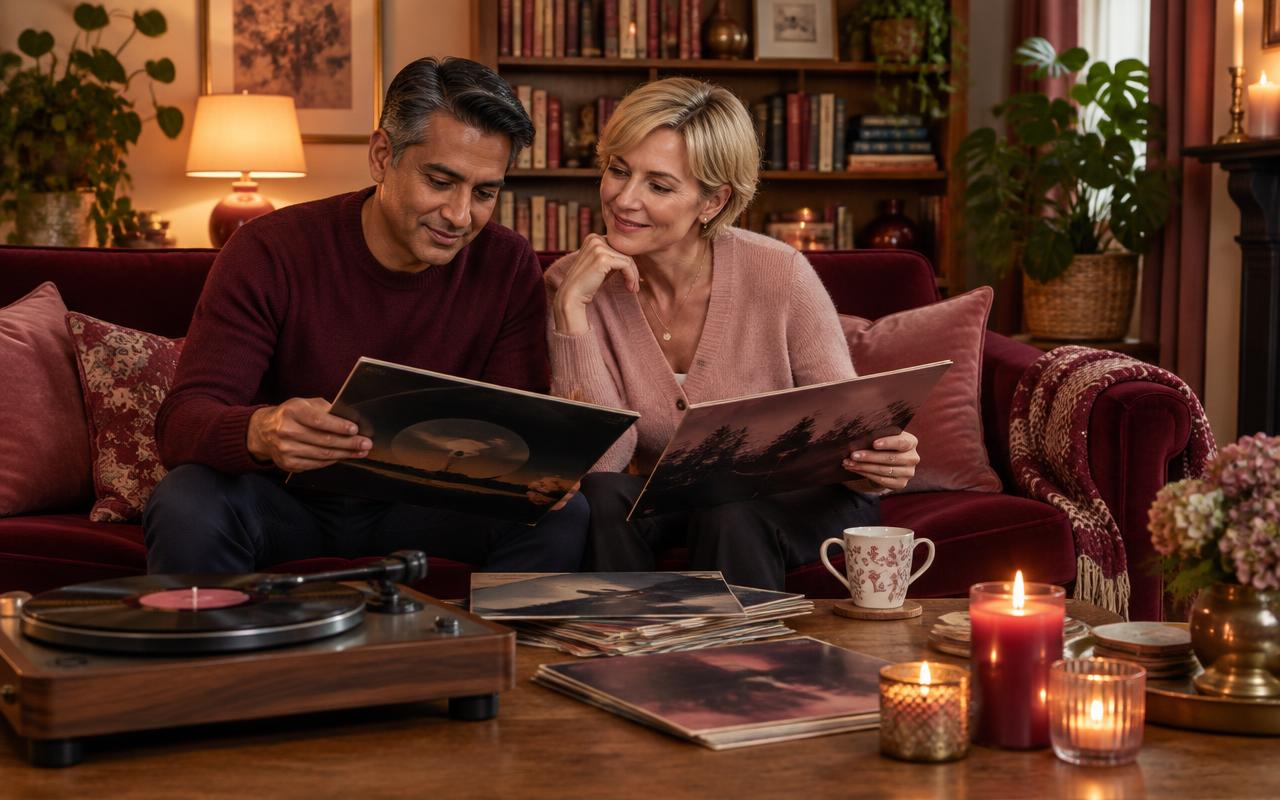
Somewhere along the way, romance acquired a reputation problem. It became associated with heart-shaped balloons, overpriced set menus on the fourteenth of February and the faintly anxious business of getting a gesture "right". No wonder so many of us quietly decided it was something for films, or for the young, or for other people.
But romance was never really about spectacle. At its best, it is something far more modest and far more powerful: the decision to pay attention to another person as though they matter. Because they do.
Noticing is the whole thing
Think about the moments that genuinely moved you in a relationship. Chances are they were not the expensive ones. They were the times someone remembered how you take your tea, saved you the crossword, or texted to ask how the difficult meeting went, without being prompted. They were the times you felt seen.
That is what romance is made of. Not the size of the gesture but the evidence of attention behind it. A single flower bought because it reminded someone of your garden says more than a dozen red roses chosen because it was expected.
Romance is attention made visible.
Why it slips away
If romance is so simple, why does it fade? Usually not because love has gone, but because life has arrived. Work, children, ageing parents, money worries and sheer tiredness have a way of turning two people into efficient colleagues running a small, chaotic organisation called home.
There is no villain in this story. Familiarity is, in many ways, the reward of a long relationship: the comfort of being known. The risk is that being known slides into being assumed. We stop asking questions because we think we already know the answers.
Bringing it back, gently
The good news is that romance responds remarkably well to small efforts. It does not require reinvention, a weekend in Paris or a sudden personality transplant. It asks for intention.
That might mean putting your phone in another room when you eat together. It might mean writing a note, an actual handwritten note, and leaving it somewhere unexpected. It might mean planning an evening around something your partner loves rather than something you can both tolerate. It might simply mean saying, out loud, the appreciative thought you had and would normally keep to yourself.
For those who are single, the same principle applies to how we court. Slow down. Ask a second question. Listen to the answer. Turn up when you said you would. In a world of rapid swiping, simple courtesy can feel almost radical.
The courage part
There is one more ingredient, and it is the hardest: a willingness to look a little foolish. Romance involves risk. The note might seem soppy; the surprise might fall flat. But the alternative, a life of careful, self-protective neutrality, carries a cost of its own.
Perhaps that is why romance feels lost. Not because we have forgotten how, but because we have grown cautious. The art is not lost at all. It is waiting, quite patiently, for someone to be brave enough to practise it.
More Love Notes

What Quietly Keeps Love Alive
Long relationships are rarely sustained by grand reinventions. They are kept alive by repair, curiosity and a hundred small turns towards each other.
Dear Cupid Editorial · 7 October 2026 · 3 min read

Is Modern Dating Making Us More Lonely?
Never have we had so many ways to meet people, and rarely has dating felt so tiring. Perhaps the problem isn't choice itself, but what endless choice does to us.
Dear Cupid Editorial · 3 October 2026 · 3 min read